How NASA HERC 2025 Changed the Way We Prepare for 2026
How NASA HERC 2025 Changed the Way We Prepare for 2026
Experience doesn’t repeat itself. It reshapes everything that comes after.
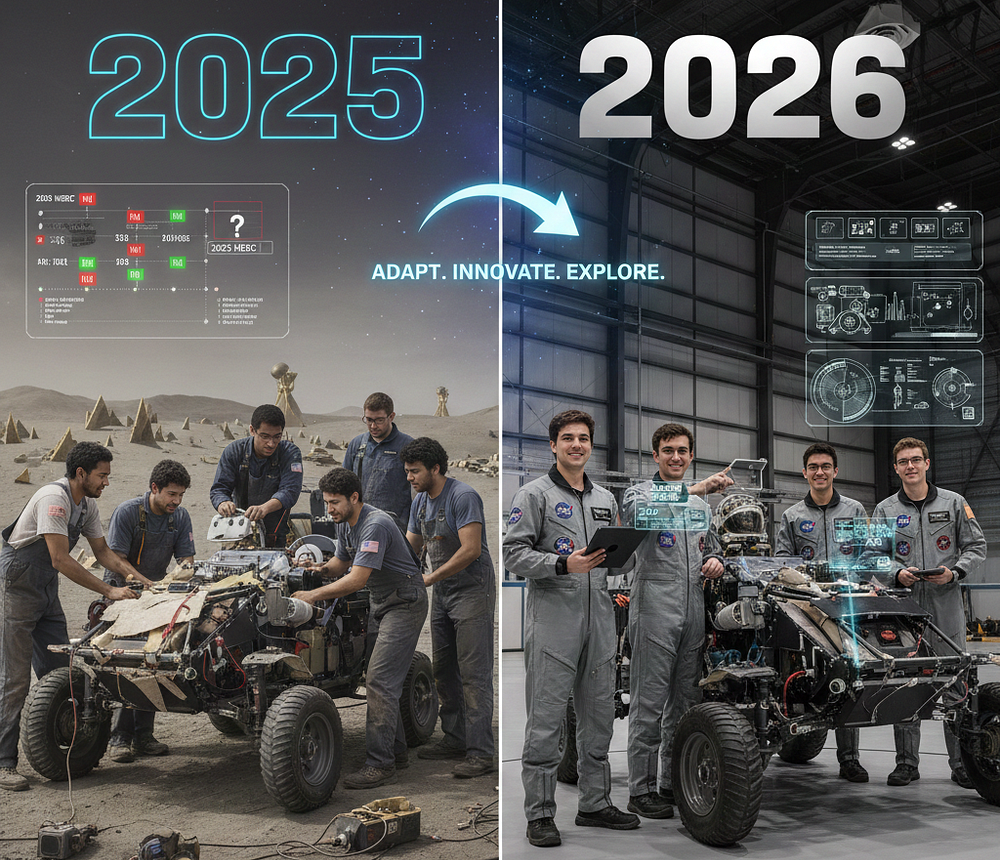
NASA HERC 2025 was not just an event for Team Mushak. It was a reference point. Every decision we make now for NASA HERC 2026 carries traces of what we experienced, observed, and understood during the previous season.
What changed most was not our ambition, but our approach.
From Expectation to Reality
Before NASA HERC 2025, our preparation was driven largely by expectations. We studied the handbook, planned our design, and imagined how the competition would unfold.
The actual experience quickly replaced imagination with reality.
We learned that timelines behave differently under pressure. Designs reveal weaknesses only when tested repeatedly. Assumptions that feel safe during planning can fail under real conditions. This shift from expectation to reality became the foundation for how we now prepare.
NASA HERC 2025 taught us that understanding the challenge is very different from experiencing it.
A More Intentional Start
One of the biggest changes for 2026 is how we begin.
Instead of rushing into design decisions, we now spend more time understanding constraints, evaluation criteria, and operational expectations. The early phase of preparation has become quieter but more deliberate.
This intentional start helps align the entire team. It ensures that everyone shares the same understanding of priorities before moving forward.
NASA HERC 2025 showed us that clarity at the beginning saves effort later.
Designing With Adaptability in Mind
Our mindset around design has also changed.
Previously, we focused heavily on reaching a final configuration. Now, we expect change. We assume that designs will evolve and plan for that evolution.
For NASA HERC 2026, adaptability is built into how we think. Components are chosen with revision in mind. Systems are designed to be adjusted rather than replaced.
Experience taught us that flexibility is not a compromise. It is a strength.
Testing as a Continuous Process
Testing now occupies a much more central role in our preparation.
NASA HERC 2025 made it clear that testing is not something that follows design. It runs alongside it. Each test informs the next decision, and each iteration deepens understanding.
As we prepare for 2026, we treat testing as a learning process rather than a validation step. Failures are no longer discouraging. They are informative.
This shift has made our workflow calmer and more confident.
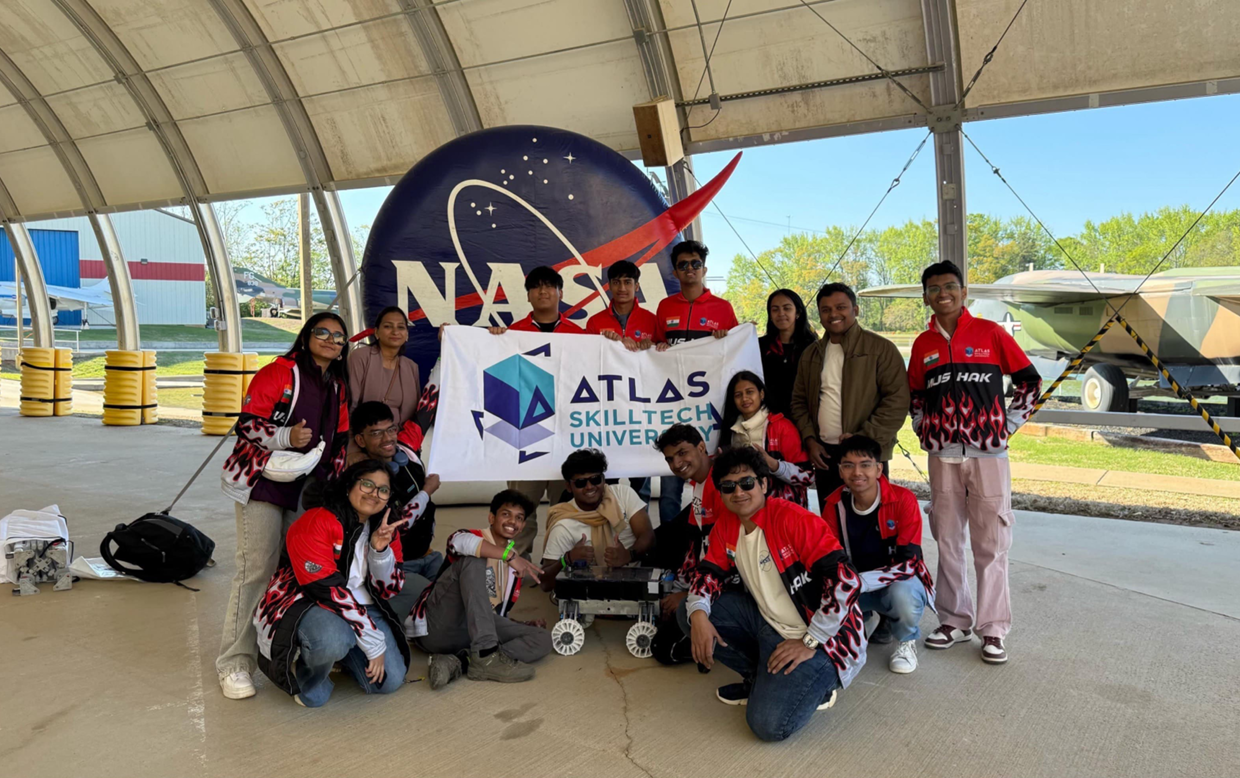
A Broader View of Engineering
Another major change lies in how we define engineering itself.
NASA HERC 2025 reinforced that engineering is not limited to building a rover. Documentation, planning, safety analysis, and team coordination all influence outcomes.
For 2026, these aspects are integrated from the start rather than treated as parallel tasks. This integrated approach improves consistency and reduces last-minute pressure.
The competition encouraged us to think like engineers, not just builders.
Stronger Team Alignment
Experience also reshaped how we work together.
Roles are now defined more clearly. Communication happens more intentionally. Decisions are shared and discussed with greater awareness of their impact.
NASA HERC 2025 showed us that even strong technical efforts can suffer if team coordination is unclear. That lesson directly informs how we organise ourselves for 2026.
Preparation now includes people as much as systems.
Shifting the Measure of Success
Perhaps the most important change is how we define success.
While results still matter, our focus has expanded. We value understanding, preparedness, and improvement more consciously than before.
NASA HERC 2025 taught us that growth often happens in quiet moments rather than visible outcomes. That perspective allows us to prepare for 2026 with less anxiety and more purpose.
As we move toward NASA HERC 2026, we carry forward the lessons of 2025 with humility and intention. We are more aware of what the competition demands and more respectful of its complexity.
We are not aiming to repeat the past. We are aiming to build on it.
For Team Mushak, NASA HERC 2025 became a turning point rather than a conclusion. It reshaped how we think, plan, and execute.
This preparation cycle feels different. It feels grounded.
Experience does not give answers. It gives better questions.
As we prepare for NASA HERC 2026, we continue asking those questions and learning from them.
This is Team Mushak.
Learning through challenges.
Building through iteration.
And preparing, one step at a time, for NASA HERC 2026
TO SEE OUR JOURNEY YOU GUYS CAN STAY TUNED WITH US ON
1. YouTube: https://youtube.com/@teammushak?si=pyRJ3G6mEWIp_YXz
2. Instagram: https://www.instagram.com/teammushak?igsh=cDBmYmZxdGoyZGwz
3. LinkedIn: linkedin.com/in/team-mushak
4. Twitter https://x.com/mushak_herc


Comments
Post a Comment