What We Learned from NASA HERC 2025
What We Learned from NASA HERC 2025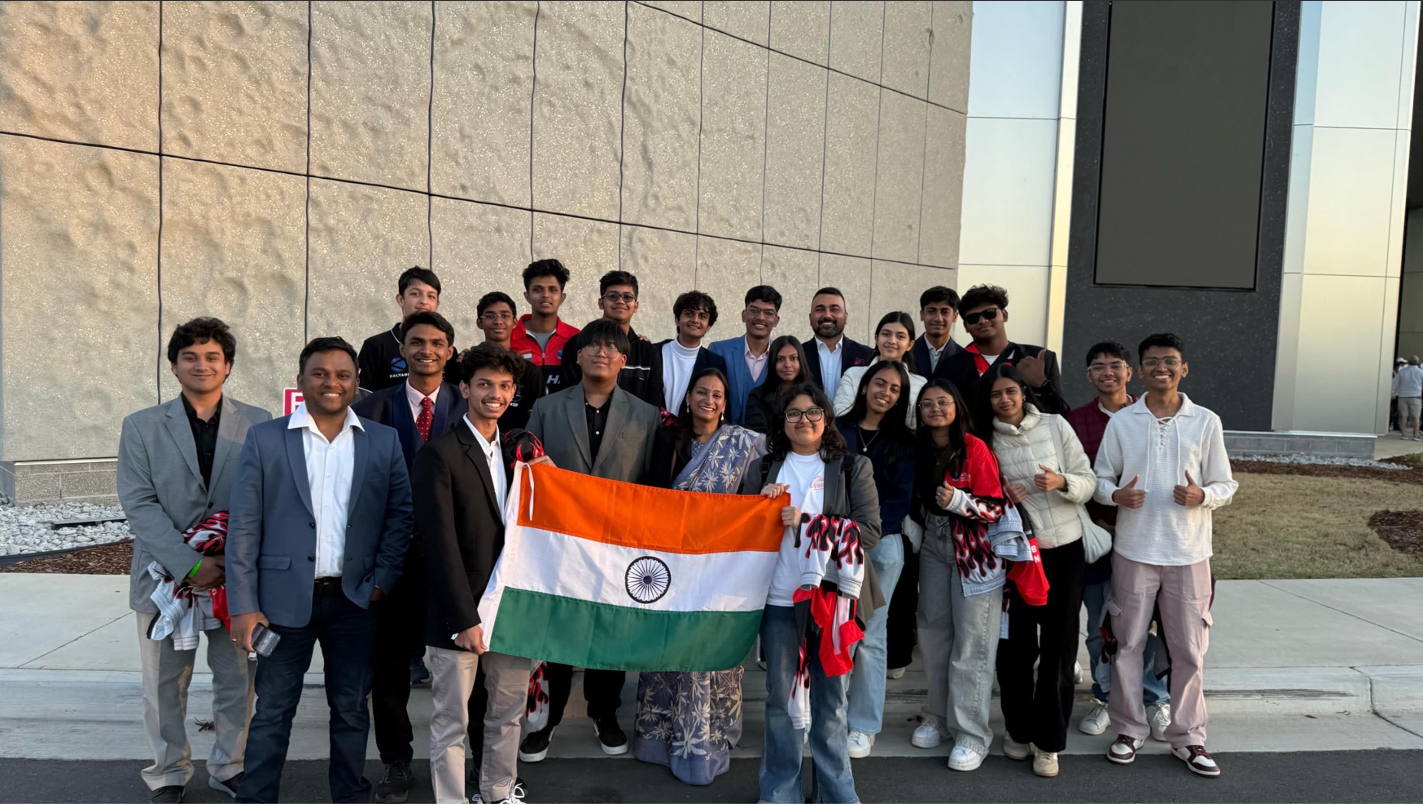 TEAM WORK DEFINES PERFORMANCE
NASA HERC 2025 was not just a competition for Team Mushak. It was a learning experience that changed how we look at engineering, teamwork, and preparation.
On paper, building a rover feels manageable. In reality, NASA HERC shows you how quickly small decisions turn into big consequences. Every design choice, every test, and every assumption matters.
Here are some of the most important lessons we took away from NASA HERC 2025.
One of the earliest lessons we learned was that there is no perfect design. Improving one aspect of the rover often creates limitations elsewhere.
Increasing speed affects control. Strengthening the structure increases weight. Adding sensors increases complexity. NASA HERC forced us to make deliberate trade offs instead of chasing ideal solutions.
We learned to ask better questions. Not “Can we add this?” but “What do we lose if we add this?”
Testing Reveals What Design Cannot
Many ideas that looked solid on paper behaved differently during testing. Uneven terrain exposed weaknesses that simulations never showed. Components that worked individually failed once integrated.
NASA HERC 2025 taught us that testing is not a final step. It is part of the design process. Every test uncovered something new and pushed us to iterate.
Failure during testing was frustrating, but it was also where most learning happened.

At NASA HERC, the rover is never judged as separate components. It is evaluated as a complete system.
A strong mechanical design could not compensate for poor control tuning. A reliable electrical system could still fail if communication was unstable. Everything had to work together.
This shifted our mindset from building parts to building systems.

One of the biggest surprises was how important documentation really is.
NASA HERC requires teams to clearly explain how their rover works, why decisions were made, and how risks are managed. Writing design and operational reviews forced us to understand our own rover better.
If we couldn’t explain something clearly, it usually meant we didn’t fully understand it yet.
Preparation Goes Beyond the Rover
Competition day is not the time to figure things out. NASA HERC 2025 showed us how much preparation outside the rover itself matters.
Operator practice, safety planning, task sequencing, and contingency thinking all played a role. A well built rover still needs a well prepared team to operate it effectively.

NASA HERC is not an individual effort. It tests how teams communicate under pressure.
Clear roles, quick decision making, and trust between members made a visible difference. When something went wrong, collaboration mattered more than technical knowledge alone.
We learned that engineering is as much about people as it is about machines.
Learning Does Not End at the Finish Line
NASA HERC 2025 did not end when the competition ended. It gave us clarity about what we need to improve.
We left with a better understanding of our weaknesses, a stronger foundation of experience, and a clearer direction for the future. The lessons from 2025 now directly shape how we approach NASA HERC 2026.
Moving Forward
NASA HERC 2025 taught us that real engineering is iterative, demanding, and deeply rewarding. It is about learning continuously and applying those lessons with intention.
As Team Mushak moves toward NASA HERC 2026, we’ll keep sharing what we learn, how we turn ideas into reality, and how we grow through each challenge.
This is Team Mushak.
Learning through challenges.
Building through iteration.
And preparing, one step at a time, for NASA HERC 2026
TO SEE OUR JOURNEY YOU GUYS CAN STAY TUNED WITH US ON
1. YouTube: https://youtube.com/@teammushak?si=pyRJ3G6mEWIp_YXz
2. Instagram: https://www.instagram.com/teammushak?igsh=cDBmYmZxdGoyZGwz
3. LinkedIn: linkedin.com/in/team-mushak
4. Twitter https://x.com/mushak_herc


Comments
Post a Comment