What It Takes to Run a NASA HERC Team Beyond Engineering
What It Takes to Run a NASA HERC Team Beyond Engineering
Building a rover is hard. Building a team is harder.
When people look at a NASA HERC team, they see engineering. They see CAD models, testing days, electrical systems, obstacle simulations, and competition preparation.
What they don’t see is the invisible layer that holds all of it together.
Running a NASA HERC team goes far beyond technical execution. It requires leadership, emotional intelligence, crisis management, decision-making under pressure, conflict resolution, consistency, and an unshakable commitment to the vision — even on days when progress feels slow.
Because a rover is not just wires and metal.
It is people.
Engineering Is Only the Surface
Behind every subsystem meeting lies coordination. Behind every design freeze lies negotiation. Behind every deadline met lies accountability.
Departments must collaborate. Personalities must align. Conflicts must be resolved quietly before they become distractions. Motivation must be rebuilt when fatigue sets in.
In a competition as demanding as NASA HERC, technical challenges are expected. What tests a team more deeply is the ability to stay united while facing those challenges.
Leadership becomes the stabilizing force.
It is easy to guide a team when everything is progressing smoothly. It takes strength to guide it when timelines shift, tests fail, or external pressures build.
Decision-Making Under Pressure
Every NASA HERC season demands decisions that carry weight.
When should a design be finalized?
When is a risk acceptable?
When should a change be rejected?
When should effort be redirected?
These choices affect not just performance, but morale.
A team leader carries responsibility not only for outcomes, but for the emotional climate of the team. Confidence must be projected even when uncertainty exists. Clarity must be provided when discussions become scattered. Stability must be maintained when stress increases.
Running a HERC team means constantly balancing vision with realism.
Protecting the Team
There are moments during any large project when pressure rises from multiple directions. Deadlines approach. Expectations increase. Mistakes feel heavier.
In those moments, leadership becomes protection.
A strong team leader shields the team from unnecessary external stress. They absorb pressure rather than transmit it. They resolve issues quietly. They defend the team when needed. They ensure that focus remains on solutions instead of blame.
That protection builds trust.
And trust builds performance.
Showing Up, Every Single Day
Consistency is underrated.
It is easy to be present when milestones are achieved. It is harder to be present during long days of incremental progress that feel invisible.
What truly defines leadership is showing up every single day — not only physically, but mentally. Checking in. Listening. Guiding. Supporting. Encouraging.
Running a NASA HERC team requires sustained commitment, not occasional motivation.
Consistency builds credibility.
Leadership That Feels Like Family
The strongest teams are not built purely on hierarchy. They are built on care.
A leader who understands each team member’s strengths, struggles, aspirations, and potential creates an environment where people perform not out of obligation, but out of belief.
Belief in the mission.
Belief in the process.
Belief in each other.
And that belief spreads outward.
Team Leader Shout-Out
There are leaders who manage.
And there are leaders who protect.
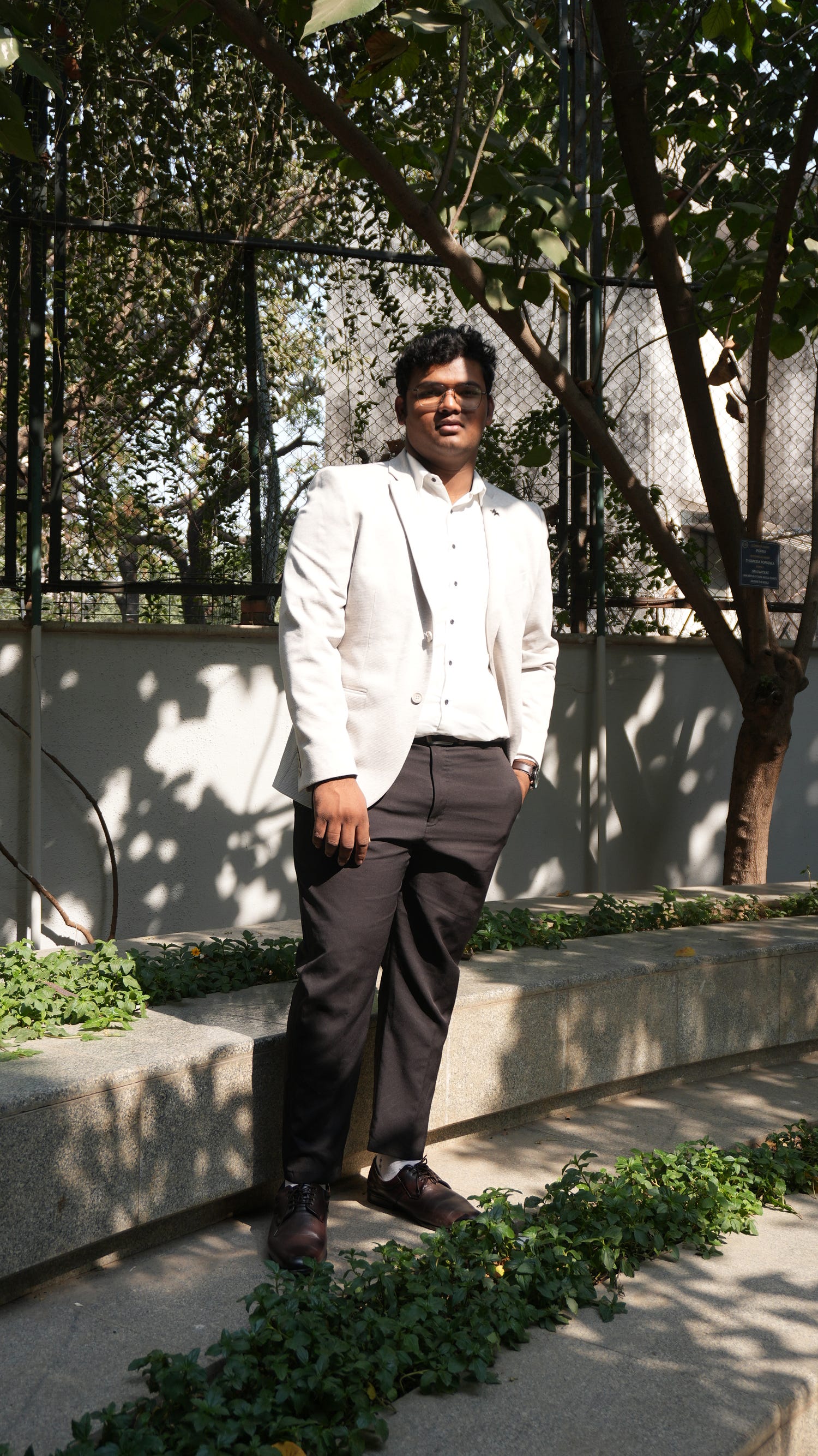
A massive and heartfelt recognition goes to Amitav Ramesh, Team Leader of Team Mushak 2026.
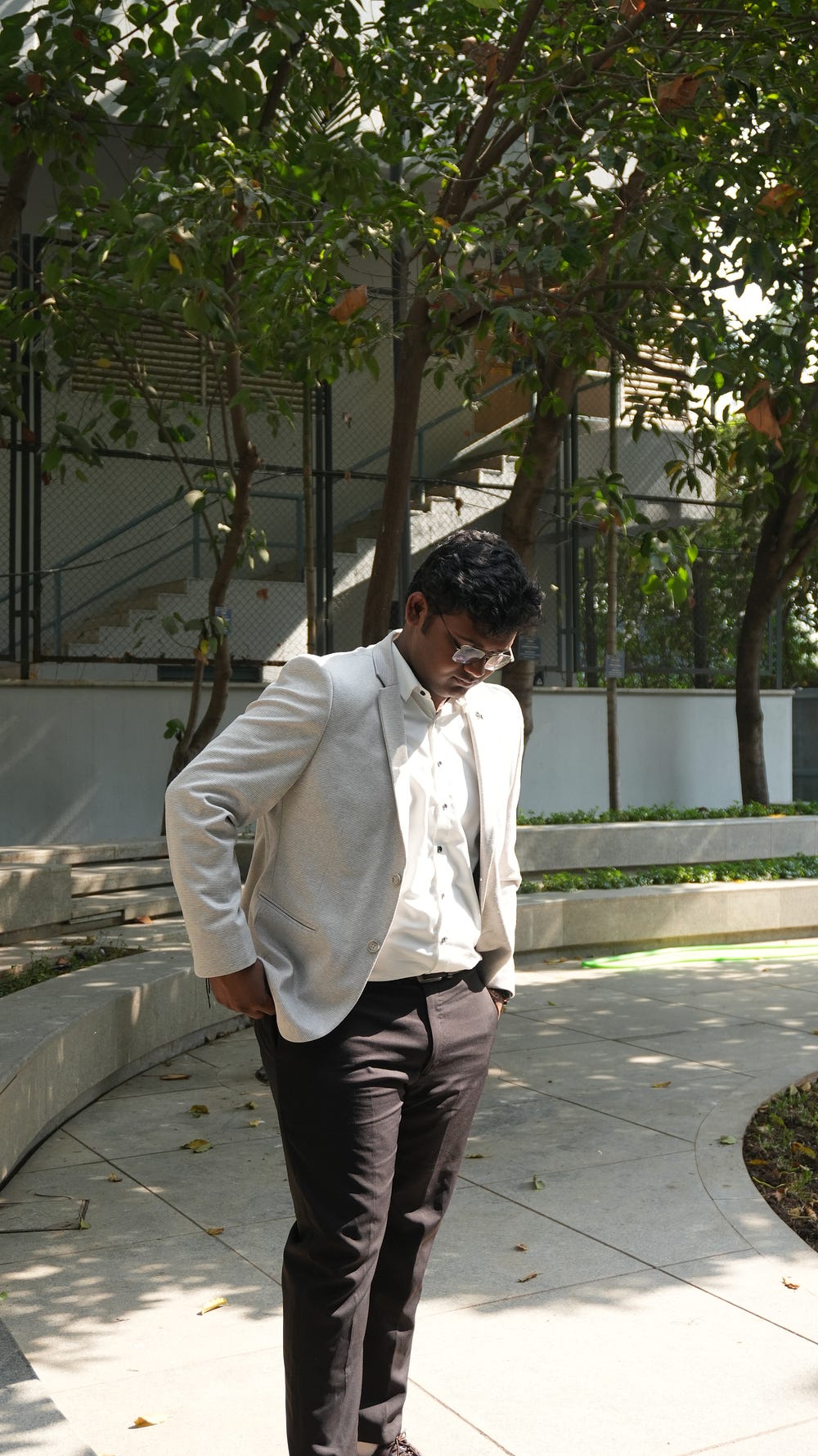
He has shown up every single day.
Not occasionally. Not selectively. Not only when things were easy. Every single day.
He has had everyone’s back. He has stood in front of problems instead of behind them. He has absorbed pressure rather than passing it down. He has acted like a shield for the team — protecting morale, defending decisions, and ensuring that unity never breaks under stress.
Leadership is not about authority. It is about responsibility.
And Amitav carries that responsibility with strength, consistency, and unwavering belief in Team Mushak.
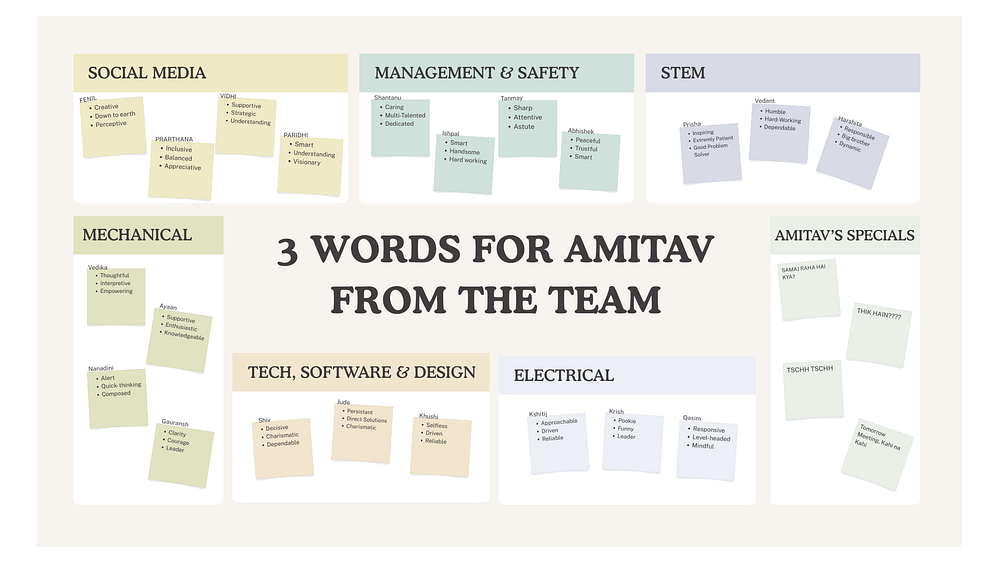
The collage that follows — filled with notes from every team member — is not just appreciation. It is proof.
Proof that leadership is felt, not declared.
Proof that presence matters.
Proof that when one person stands strong for the team, the entire team stands stronger
NASA HERC tests engineering.
But it also tests leadership.
A rover can be designed by many minds.
But a team must be guided by one steady hand.
Beyond the hardware, beyond the competition, beyond the results — what truly defines Team Mushak 2026 is the strength of the people holding it together.
Because in the end, success is not built by systems alone.
It is built by leaders who refuse to let their team fall.
This is Team Mushak.
Learning through challenges.
Building through iteration.
And preparing, one step at a time, for NASA HERC 2026
TO SEE OUR JOURNEY YOU GUYS CAN STAY TUNED WITH US ON
1. YouTube: https://youtube.com/@teammushak?si=pyRJ3G6mEWIp_YXz
2. Instagram: https://www.instagram.com/teammushak?igsh=cDBmYmZxdGoyZGwz
3. LinkedIn: linkedin.com/in/team-mushak
4. Twitter: https://x.com/mushak_herc
5. Blogger: https://teammushak.blogspot.com/2026/01/the-vision-behind-team-mushak.html
6.Medium: https://medium.com/@team.mushak/key-design-lessons-from-nasa-herc-2025-6a7c83a2ee73


Comments
Post a Comment